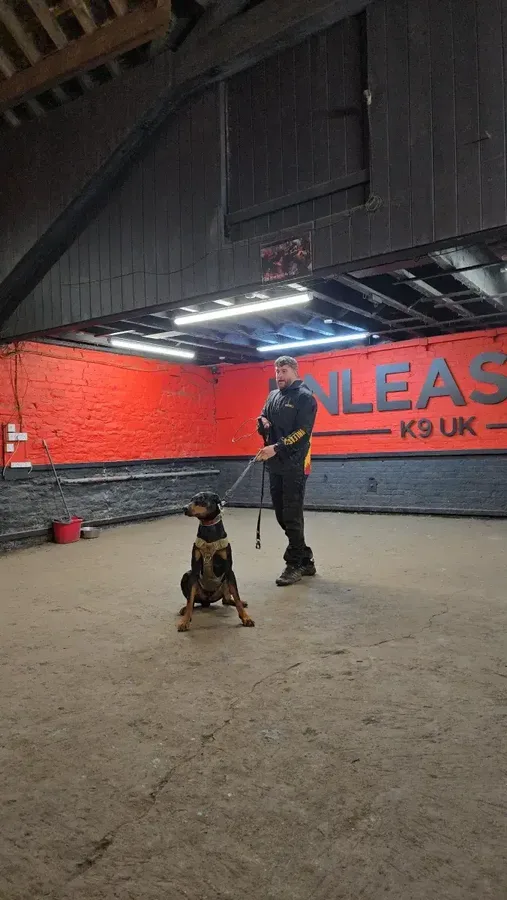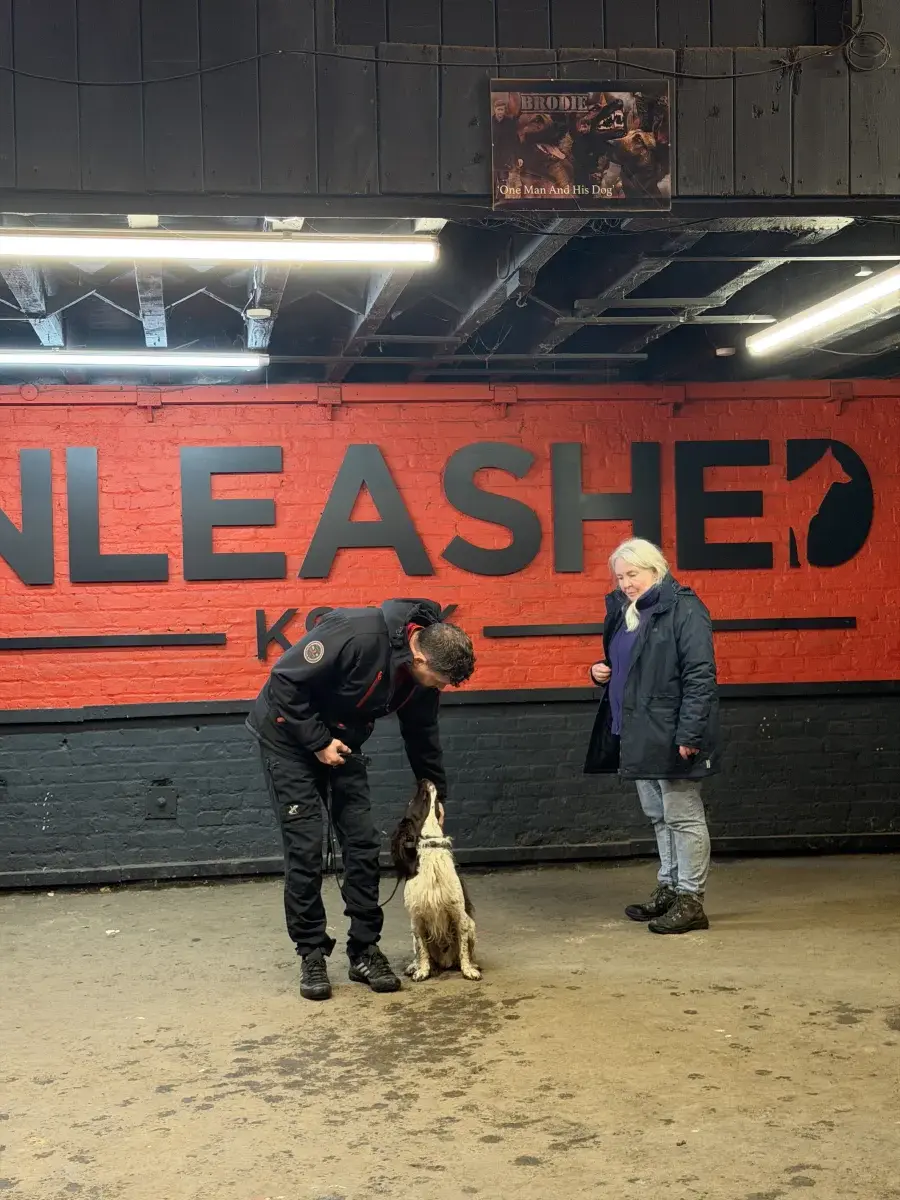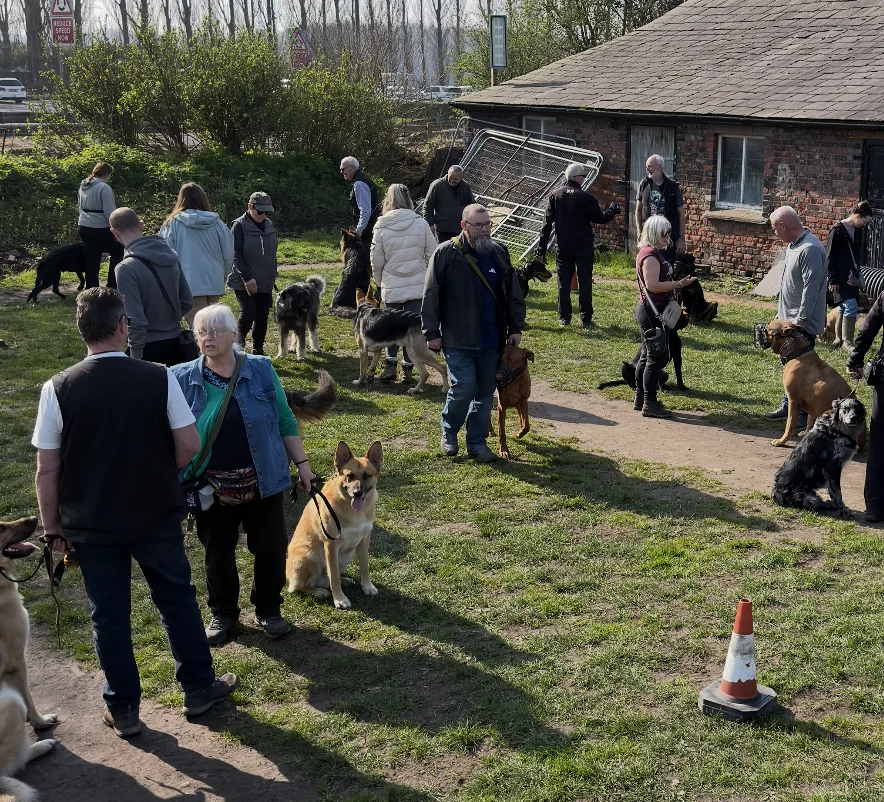
Dog separation anxiety training is one of the most misunderstood areas of canine behaviour, and one of the most devastating for owners living with it. If your dog howls, barks, destroys furniture, soils the house, scratches at doors, or works themselves into a state of genuine panic every time you leave, you already know this isn't a minor inconvenience. It affects everything. You can't go to work without worrying. You can't pop to the shops without coming home to carnage. Your neighbours are complaining about the noise. You feel guilty every single time you walk out the door. And the worst part? Most of the advice you've been given hasn't worked, because most people don't actually understand what separation anxiety is or how to fix it. At Unleashed K9, we do. We've helped hundreds of dogs across Liverpool, St Helens, and Merseyside overcome separation distress, and we approach it with the same no-nonsense, results-driven methodology we apply to every behavioural issue we treat.
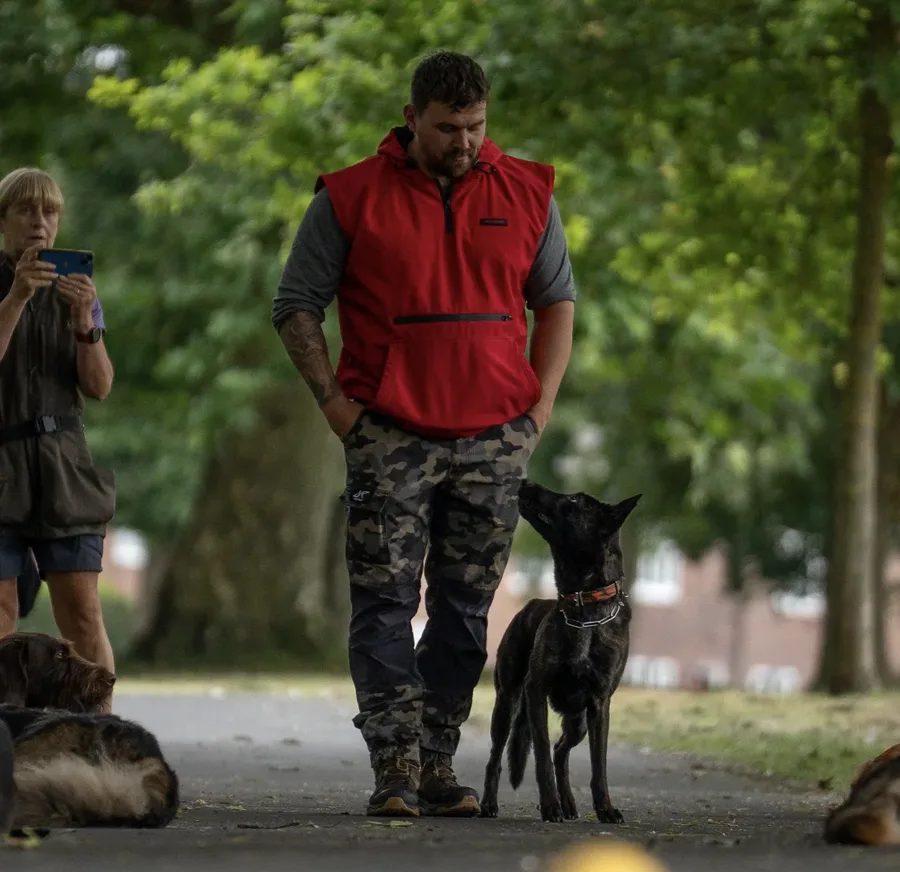
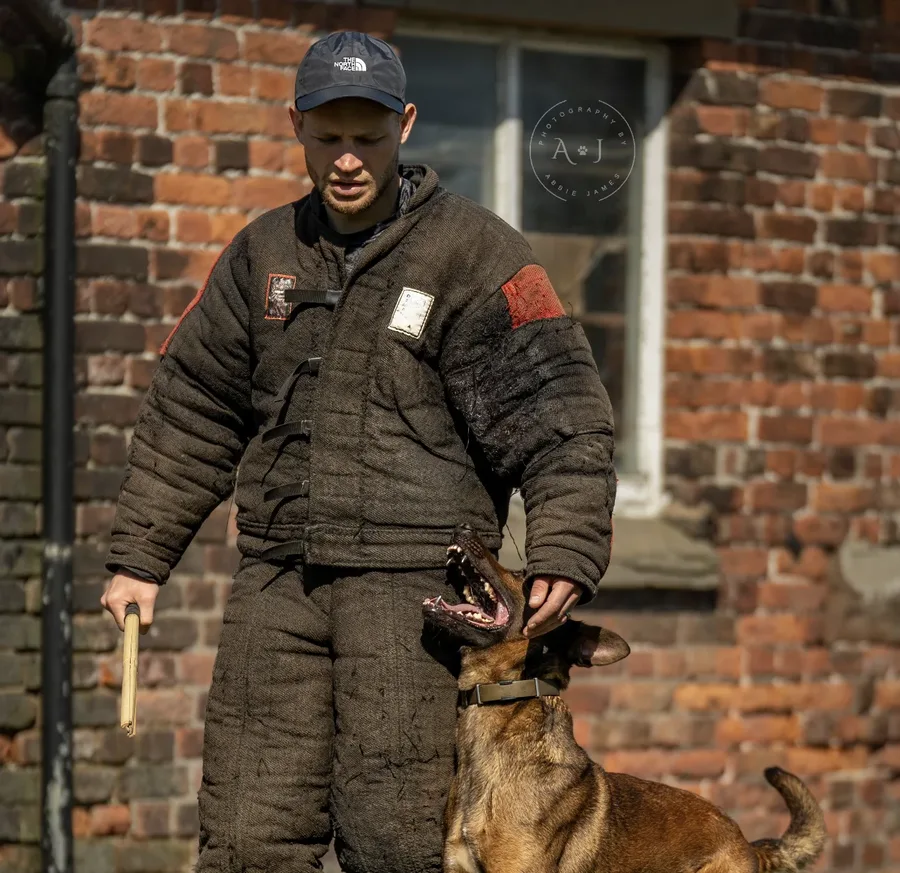
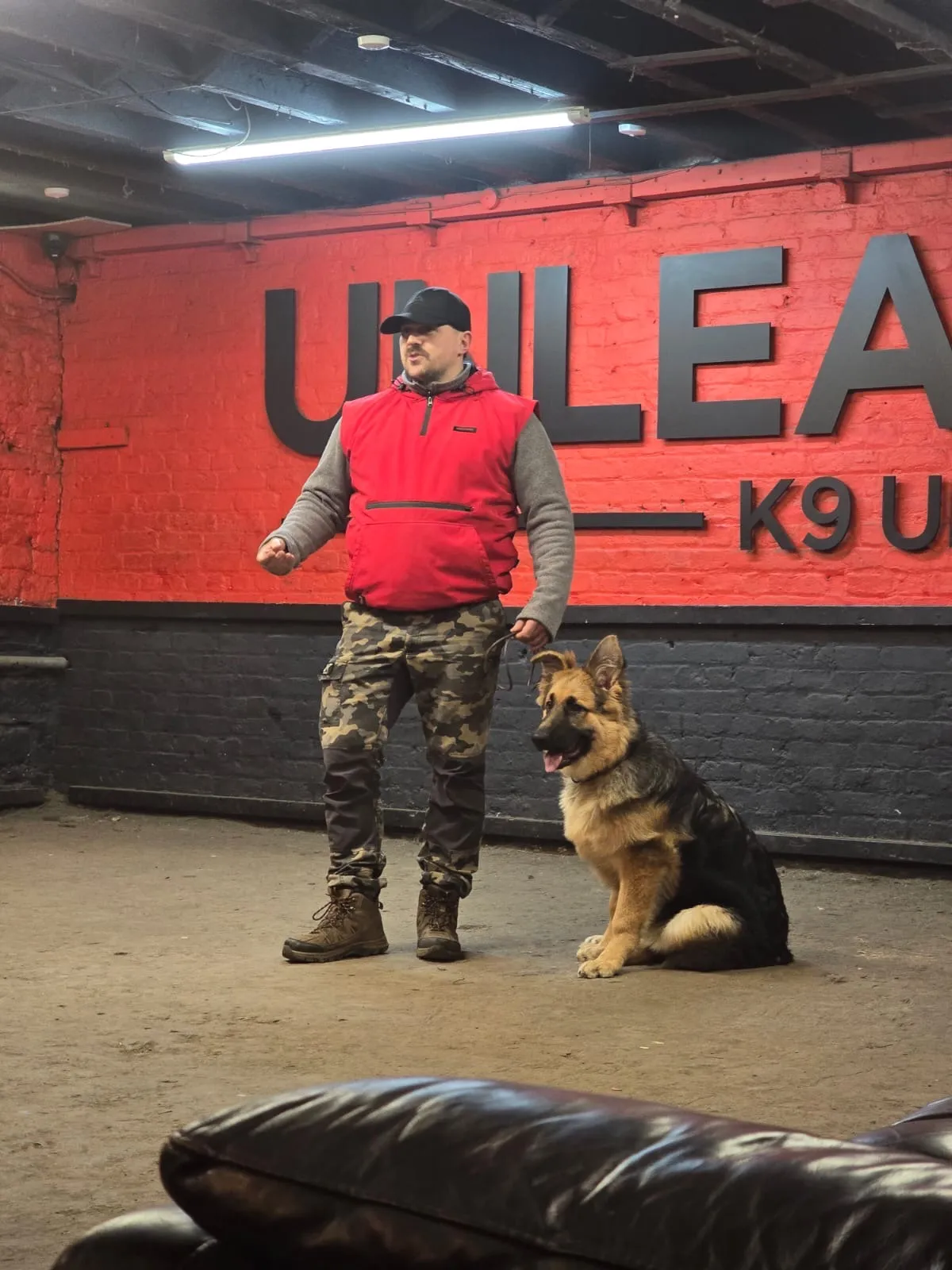
Danny Wells, our founder, has spent over 15 years working with dogs that other trainers have given up on, including severe separation anxiety cases where owners were on the verge of rehoming because they simply couldn't cope any more. Danny appeared on Channel 4's Death Row Dogs and co-authored What Your Dog Is Thinking with neuroscientist Dr Sabrina Cohen-Hatton. He understands the neuroscience behind separation distress, the emotional states driving the behaviour, and, critically, how to change them. This isn't guesswork. This is structured, proven behavioural work delivered by people who've seen it all.
What Actually Causes Dog Separation Anxiety?
Let's clear something up straight away: separation anxiety is not your dog being naughty. It's not spite. It's not revenge for leaving them. It's a genuine emotional response, often closer to a panic attack than a behavioural choice. Your dog isn't choosing to destroy the sofa. They're in a state of distress so intense that destructive behaviour, vocalisation, and physiological responses like drooling, panting, and toileting are the only way their body can cope with the overwhelming anxiety they feel when you're gone.
The causes vary from dog to dog, and understanding what's driving your dog's separation distress is the first step to fixing it. Common contributing factors include:
- Over-attachment: if your dog follows you from room to room, can't settle unless they're touching you, and watches your every movement, the foundation for separation anxiety is already in place. The dog has become so dependent on your presence that your absence triggers genuine panic
- Lack of independence training: many owners unknowingly reinforce clingy behaviour from puppyhood. If the puppy was never taught to be comfortable alone, even in another room, the adult dog has no framework for coping with separation
- Traumatic experiences: rescue dogs, dogs that have been rehomed, dogs that experienced abandonment or kennel environments can develop separation anxiety because they've learned that people leaving sometimes means people don't come back
- Changes in routine: a new job, a house move, a family member leaving, even a change in working hours. Dogs are creatures of routine, and significant changes can trigger separation anxiety in dogs that were previously fine
- Breed predisposition: some breeds are genetically more prone to separation anxiety than others. Velcro breeds, Vizslas, German Shepherds, Cavalier King Charles Spaniels, Labradors, are particularly susceptible, though any breed can develop it
At your Initial Assessment, we'll identify exactly what's driving your dog's separation anxiety. That diagnosis is everything, because treatment for a dog that's over-attached is fundamentally different from treatment for a dog that's been traumatised. Get the diagnosis wrong, and nothing that follows will work.
How Does Separation Anxiety Training Work at Unleashed K9?
We take a structured, phased approach that addresses both the emotional state driving the anxiety and the practical behaviours you need to change. There's no quick fix for separation anxiety, anyone who tells you otherwise is lying, but with the right approach, most dogs show significant improvement within weeks, not months.
The programme typically involves:
- Independence building: teaching your dog to be comfortable in a different room to you, settling on their own bed, and disengaging from constant contact. This is the foundation everything else is built on
- Departure desensitisation: your dog has learned to read every pre-departure cue you give. Picking up keys, putting on shoes, grabbing your coat, your dog knows what these mean and the anxiety starts before you've even left. We systematically disconnect these cues from the emotional response
- Graduated absence training: building duration of alone time in carefully measured increments. We start with seconds and build to minutes, then hours. The key is never pushing past the point where anxiety kicks in, every successful repetition teaches the dog that being alone is safe and unremarkable
- Management strategies: practical changes to your home environment, routine, and departure protocol that reduce anxiety while the training takes effect. This includes enrichment strategies, safe space setup, and sometimes temporary use of management tools to prevent regression
- Owner behaviour modification: and yes, that's deliberate phrasing. In most separation anxiety cases, the owner's behaviour is inadvertently making things worse. The emotional goodbyes, the guilty returns, the constant reassurance, the allowing the dog to follow you everywhere, all of it reinforces the anxiety cycle. We'll change what you do, and that changes what your dog feels
Every separation anxiety programme is delivered through 1-2-1 training sessions because this is deeply individual work. Your dog's triggers, thresholds, and progression rate are unique to them. Group work doesn't apply here, this needs focused, personalised attention from a trainer who understands the nuances of what your dog is going through.
What Does Separation Anxiety Actually Look Like?
Some owners don't realise their dog has separation anxiety because they've normalised the behaviour. Others know exactly what it is but feel powerless to change it. Here are the signs we most commonly see:
- Destructive behaviour, chewing door frames, scratching at doors and windows, destroying furniture, ripping up flooring, shredding bedding
- Excessive vocalisation, howling, barking, whining, or crying that starts when you leave and continues for extended periods
- Toileting indoors, even in fully house-trained dogs. This is a stress response, not a training failure
- Drooling, panting, pacing, physical symptoms of anxiety that are visible on camera or evidenced by wet patches and worn carpet paths
- Escape attempts, dogs that try to get out of crates, rooms, or the house itself. This can result in serious injury to the dog and significant damage to your property
- Pre-departure anxiety, the distress starts before you leave. Your dog recognises the cues and begins to escalate as soon as they detect the pattern
- Hyper-attachment when you're home, following you everywhere, inability to settle unless in physical contact, constant checking on your location
If any of that sounds familiar, your dog needs professional help. Not YouTube videos. Not a DAP diffuser. Not being told to "just ignore them and they'll get used to it." Professional, structured behavioural work from someone who has actually fixed this problem hundreds of times before.
Can Separation Anxiety Be Cured?
In the vast majority of cases, yes, significantly improved and often resolved entirely. We won't promise an overnight fix, because that's not honest, and at Unleashed K9 we'd rather tell you the truth than sell you something unrealistic. But the results we achieve with separation anxiety are genuinely life-changing for both dogs and owners.
The timeline depends on severity. Mild cases, dogs that are a bit unsettled but not in genuine distress, can often be resolved within a few weeks of structured work. Moderate cases typically take 4-8 weeks of consistent training and management. Severe cases, dogs that are injuring themselves trying to escape, dogs that have been suffering for years, take longer, but even these dogs can reach a point where they cope comfortably with normal absences.
What matters most is consistency. Separation anxiety training fails when owners do the work for a week and then slip back into old patterns. We'll give you a clear, structured programme with daily homework. We'll check in with you regularly. We'll adjust the plan as your dog progresses. But the work between sessions, that's on you. The owners who commit to the programme get results. Every single time.
We also look at the broader picture. If your dog has other behavioural issues alongside separation anxiety, reactivity, general anxiety, poor impulse control, we'll address those through our behaviour modification programme as part of an integrated approach. Fixing the separation anxiety alone won't help if the dog is also struggling with other forms of distress.
Why Do Other Approaches to Separation Anxiety Fail?
Because they're treating symptoms, not causes. The internet is full of separation anxiety advice that ranges from useless to actively harmful. Let's go through the common ones:
"Just get another dog for company." This works in approximately zero percent of separation anxiety cases, because the dog isn't anxious about being alone, they're anxious about being separated from you specifically. A second dog just means you've got two dogs to deal with, one of which may learn anxious behaviours from the first.
"Leave the radio on." Background noise doesn't address the underlying emotional state. Your dog isn't lonely. They're panicking. A radio doesn't fix panic.
"Crate them." For some dogs, a crate provides a safe den and can be part of the solution. For dogs with genuine separation anxiety, a crate can make things dramatically worse, a panicking dog in a confined space can injure themselves, break teeth trying to escape, and experience even greater distress. Crating must be assessed on a case-by-case basis, and getting it wrong can be dangerous.
"Just leave and they'll get used to it." This is called flooding, and it's one of the worst things you can do. Forcing a dog to endure the full intensity of their anxiety doesn't teach them to cope, it teaches them that their worst fears are justified and that you can't be relied upon. Flooding makes separation anxiety worse, not better.
At Unleashed K9, we don't rely on folk remedies or internet advice. We apply a structured behavioural protocol that's based on understanding how anxiety works in the canine brain, and we modify it based on your specific dog's presentation. That's why it works when everything else has failed.
What About Medication for Dog Separation Anxiety?
We're trainers, not vets, so we won't prescribe anything. But we will say this: in severe cases, medication prescribed by your vet can be a valuable part of the treatment plan. Medication doesn't fix separation anxiety on its own, but it can reduce the baseline anxiety level enough for the behavioural training to actually work. Think of it as turning the volume down so the dog can hear the lesson.
If we assess your dog and feel that the anxiety level is so high that behavioural work alone will take an unreasonably long time or cause unnecessary suffering, we'll recommend you speak to your vet about pharmaceutical support. We'll work alongside the medication, not instead of it. The behavioural programme remains the same, the medication just gives your dog a better chance of being in a state where they can actually learn.
We've seen cases where the combination of medication and structured training has transformed dogs within weeks that had been suffering for years. And we've seen cases where medication wasn't needed at all. It depends on the dog, and we'll be honest with you about which category yours falls into.
Dog Separation Anxiety Training in Liverpool, St Helens & Merseyside
Unleashed K9 is based at Brandreth House Farm, East Lancashire Road, St Helens, but separation anxiety work typically involves a significant amount of at-home training and remote coaching, because the behaviour happens at home. We'll come to you where needed, conduct sessions at the facility, and provide structured homework and regular check-ins to keep the programme on track. We serve clients across Liverpool, Merseyside, Warrington, Wigan, and the wider North West.
If your dog is suffering with separation anxiety, don't wait for it to get worse, because it will. The longer the anxiety cycle runs unchecked, the deeper it becomes and the harder it is to break. Book your Initial Assessment today, or call 07577 612912 to speak to one of the team. We'll see your dog, understand what's driving the distress, and put a plan in place that actually works. You don't have to live like this, and neither does your dog.